
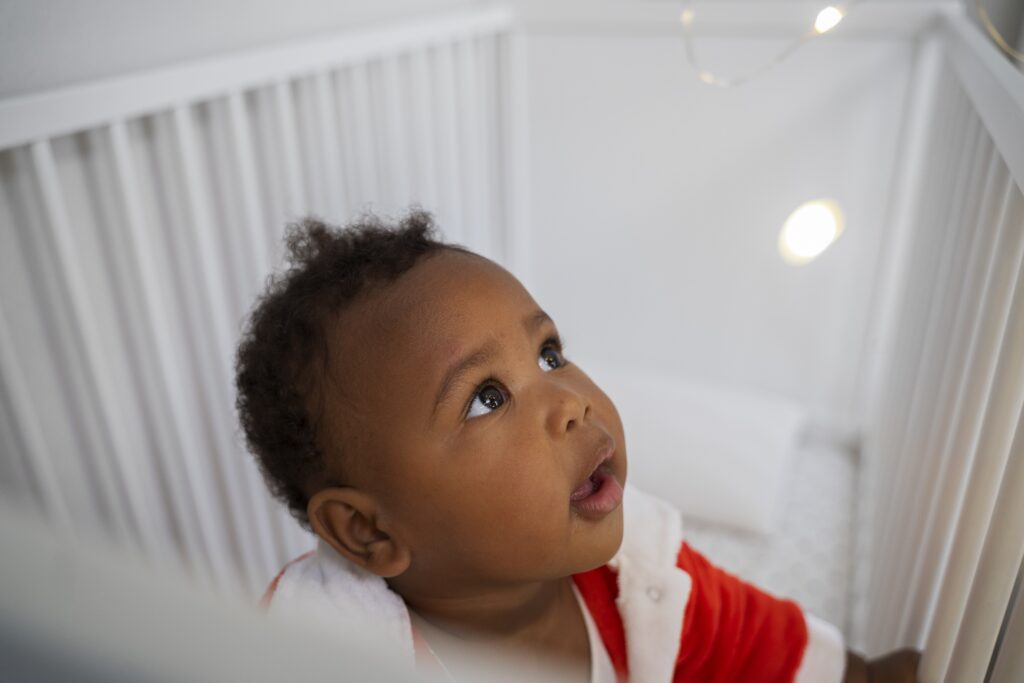
Fill the Blank Right now. The Blank Slate Theory, also known as Tabula Rasa, was proposed by the philosopher John Locke and has been widely discussed for many years in early childhood education.
The theory suggests that every child is born with a blank mind pure, empty, and free from ideas and that everything the child eventually becomes is shaped by experience, learning, and environment.
Over time, many scholars and parents have argued against this idea, saying that no child is truly born blank. Some children are born with certain temperaments, tendencies, and inherited traits. And that may be true.
However, whichever side of the argument we choose to agree with, one fact remains undisputed:
A child is born inexperienced.
A newborn does not yet know right from wrong.
They do not understand values, attitudes, self-control, respect, kindness, or even faith.
These things are learned.
This means that every child needs to be nurtured, guided, taught, corrected, and loved in order to gain the right experiences for life.
The Child’s Mind: A Powerful Responsibility
Fill the Blank Right. Whether we call it a “blank slate” or not, the child’s mind at birth is open, impressionable, and highly receptive.
What goes into that mind can either become:
- a blessing to the family and society, or
- a burden to the family and community.
The difference is not luck.
The difference is input.
What the child hears repeatedly.
What the child sees daily.
What the child observes from parents, siblings, relatives, neighbours, teachers, and caregivers.
Children may not always do what we say, but they almost always do what we see.
Our Shared Responsibility
Fill the Blank Right. Raising a child is not the work of parents alone.
Parents, siblings, extended family members, caregivers, teachers, and even the community all play a role in shaping a child’s mind.
But parents remain the first and strongest influence.
If we truly desire to raise godly children with good character, then we must be intentional about what we pour into them.
The easiest and most powerful way to fill a child’s mind correctly is through:
- The words we speak, and
- The actions we demonstrate

Speak Life to Your Child
Fill the Blank Right. Children grow into what they hear.
When a child constantly hears:
- “You are stubborn”
- “You are useless”
- “You will never do anything good”
Those words quietly settle into the child’s mind and shape their identity.
Instead, let us choose to:
- Speak positive, loving, and faith-filled words
- Correct firmly but without destruction
- Discipline with instruction, not insults
Our words should build, guide, and point the child towards godly values.
Read: Olumide Oyewole (Uncle Olu – The Kiddies Pilot)
Model the Behaviour You Desire
Children are excellent imitators.
They copy:
- How we talk to others
- How we handle anger
- How we solve problems
- How we treat God, authority, and fellow humans
We cannot expect a child to be respectful if disrespect is what they see.
We cannot expect honesty when they constantly observe lies.
We cannot expect godliness if faith is not lived out daily.
Good actions speak louder than long lectures.
Fill the Blank Right
Every day, whether we realise it or not, we are writing on the child’s mind.
The question is not whether the blank will be filled.
The question is how and with what.
Let us be deliberate.
Let us be mindful.
Let us be godly examples.
When we speak right and act right before our children, we fill their minds with values that will guide them for life.
Let’s fill in the blank right.
It’s up to you and me.
Olumide Oyewole
aka Uncle Olu (The Kiddies Pilot) ✈️👶🏽
